


How Middle East Instability Is Affecting U.S. Supply Chains: The Growing Impact on Energy and Food Products
Guest blog by Jody Phillips, Client Executive, Tryon Solutions (MHI member)
Geopolitical instability in the Middle East has once again become a major concern for global markets, creating effects that extend far beyond the region. For us in the United States, the biggest impacts are in energy and food supply chains, where disruptions to shipping, commodities, and raw materials are driving higher costs and increasing uncertainty for businesses and consumers. As tensions continue to affect critical ocean shipping and energy-producing nations, supply chain leaders must prepare for a more unsure operating environment.
The Middle East remains one of the world’s most important hubs for crude oil, liquefied natural gas (LNG), petrochemicals, and fertilizer production. In addition, strategic waterways such as the Strait of Hormuz and the Red Sea enable the movement of energy products and other goods between Asia, Europe, and North America. The impacts on these routes can quickly impact transportation costs, commodity prices, and global inventory availability.
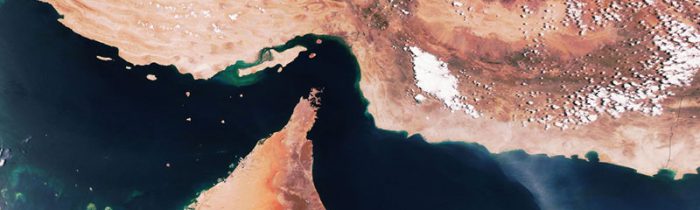
The Strait of Hormuz alone handles a large share of global oil and LNG shipments, making it one of the most critical chokepoints in the world. When conflict or security threats emerge that affect this, markets often react before actual supply losses occur, creating immediate price swings.
Although the United States has become a major energy producer, it remains connected to global oil markets. When instability threatens global production or shipping lanes, crude oil prices often increase. These increases affect U.S. fuel costs, transportation expenses, and manufacturing operations.
Industry analysts note that shipping risks in the Strait of Hormuz and disruptions in the Red Sea are creating additional costs through higher insurance premiums, rerouting, and freight surcharges. Even when oil production remains stable, concerns about transportation security can drive prices higher.
For American businesses, this means:
- Higher diesel costs for trucking fleets.
- Increased airline fuel expenses.
- Rising rail and ocean freight rates.
- Greater operating costs for manufacturers and distributors.
Ongoing security concerns in the Red Sea have forced many shipping companies to avoid traditional routes through the Suez Canal and instead travel around the Cape of Good Hope. This adds significant transit time and fuel consumption to global supply chains.
For U.S. importers, longer transit routes can result in:
- Delayed inventory replenishment.
- Higher transportation costs.
- Increased inventory carrying requirements.
- Reduced supply chain predictability.
The result is a supply chain environment where companies must maintain greater flexibility and inventory buffers to avoid stockouts.
Middle East instability can also contribute to broader commodity inflation. Higher energy costs raise expenses for farming equipment, irrigation systems, food processing plants, packaging manufacturers, and transportation providers. This creates a cascading effect throughout the food ecosystem. As supply chains absorb these additional costs, food manufacturers and retailers may face tighter margins and increased pricing pressure.
Businesses should prepare for continued volatility in both energy and agricultural markets. Current trends suggest that geopolitical risk will remain a key driver of supply chain planning decisions throughout the coming years. Companies that rely heavily on imported goods, fuel-intensive transportation networks, or agricultural commodities may be particularly vulnerable.
Recommended strategies include:
- Diversifying supplier networks.
- Increasing inventory visibility through modern supply chain systems.
- Strengthening demand forecasting capabilities.
- Evaluating alternative transportation routes.
- Monitoring energy and commodity markets more closely.
- Building contingency plans for extended shipping disruptions.
The instability in the Middle East is no longer a regional issue—it is a global supply chain challenge. For the United States, the most immediate impacts are being felt through energy markets and food production systems. Rising fuel prices, shipping disruptions and commodity inflation are creating new pressures across industries.
While the direct effects may vary by sector, the broader lesson is clear: supply chain resilience has become a strategic necessity. Organizations that proactively diversify suppliers, strengthen risk management practices, and improve visibility across their operations will be better positioned to navigate the uncertainties created by ongoing geopolitical tensions in one of the world’s most critical regions.

