


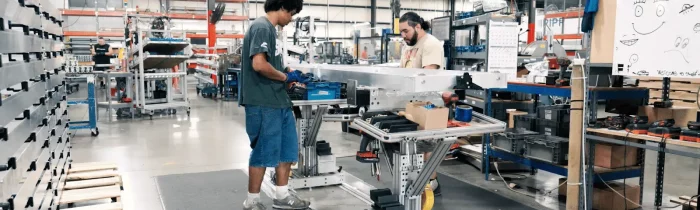
Creating a Safe and Efficient Warehouse Environment
Guest Blog from MHI Member Pipp Mobile Storage Systems
A warehouse is more than just a space to store goods; it plays a crucial role in a business’s success. From retail and e-commerce to manufacturing and healthcare, every industry relies on efficient warehousing to support operations, meet customer expectations, and ensure safety for every team member on the floor.
Creating a safe and efficient warehouse isn’t just about stacking products, it’s about designing smart systems, supporting employees, and planning for long-term growth. Here, we’ll walk through key components of a successful warehouse setup and actionable steps to improve both safety and efficiency.
1. Start with a Thoughtful Layout
An optimized warehouse begins with a strategic layout. Poor design can lead to bottlenecks, wasted space, and increased risk of accidents. Efficient layouts help streamline movement, reduce travel time, and support order accuracy.
When planning your layout, consider the following:
• Inventory turnover rate: High-demand products should be placed near shipping areas.
• Workstation location: Avoid backtracking and unnecessary steps between tasks.
• Vertical vs. horizontal space: Many warehouses overlook vertical expansion.
Design Tip: Conduct a space utilization analysis to determine where inefficiencies lie and explore options to reclaim lost space.
2. Ensure Clear Traffic Flow and Accessibility
In busy warehouses, employee and equipment movement is constant. Maintaining clear, well-marked pathways is critical for safety and efficiency. Forklifts, pallet jacks, and employees must be able to move seamlessly without risk of collisions or obstruction.
Simple ways to improve flow include:
• Striped floor markings to distinguish pedestrian zones from equipment lanes.
• Overhead signage to guide navigation and designate zones.
• Designated staging areas to prevent overflow into pathways.
Keeping goods off the ground and reducing clutter through well-planned shelving helps maintain safety and smooth operations.
3. Make Safety a Core Value, Not an Afterthought
Warehouse work can be physically demanding and, at times, dangerous without proper precautions. According to the U.S. Bureau of Labor Statistics, warehousing and storage facilities report some of the highest rates of workplace injuries.
Investing in safety upfront is both ethical and smart business. Accidents cost time, money, and team morale. To promote a safe environment:
• Ensure all racking systems are properly secured and regularly inspected.
• Install anti-tip features on storage systems to reduce risks of toppling.
• Choose ergonomic equipment to reduce strain from repetitive tasks.
• Provide PPE (personal protective equipment) such as gloves, helmets, and eyewear.
Pro Tip: Look for storage solutions with built-in safety features like locks, track stops, and anti-tip mechanisms that meet or exceed industry standards.
4. Train and Empower Your Workforce
No matter how advanced your equipment is, your warehouse can’t function without skilled and informed employees. Training is one of the most important (and often overlooked) pillars of a successful warehouse operation.
Consider implementing:
• Onboarding programs that include safety training and equipment handling.
• Regular refresher courses for long-time employees.
• Emergency response drills for fire, spills, or injuries.
Encourage your team to report hazards, suggest improvements, and participate in process design. When employees are engaged and empowered, they take ownership of their roles, leading to better outcomes across the board.
Pro Tip: Set up a safety committee that meets monthly to discuss concerns, review incident reports, and identify areas for improvement.
5. Leverage Technology to Streamline Operations
Modern warehouses are powered by more than just forklifts; they’re driven by data. Warehouse management systems (WMS), barcode scanning, and real-time inventory tracking can significantly reduce human error and increase fulfillment speed.
Ways to enhance efficiency through technology:
• Integrate WMS with your storage layout to track item locations instantly.
• Use IoT-enabled sensors for alerts on temperature, humidity, or unauthorized access.
• Equip team members with mobile devices or tablets to receive task updates and route instructions.
6. Optimize for Scalability and Growth
Your warehouse space needs to be as adaptable as your business. What works today might not work tomorrow. Having a rigid setup can stall your ability to grow or change quickly.
Flexible, modular systems allow your warehouse to evolve without a complete overhaul. Scalable storage also improves sustainability by:
• Reducing the need for new construction or facility expansions.
• Lowering energy usage with more efficient space design.
• Minimizing material waste from outdated storage infrastructure.
7. Audit, Evaluate, Improve, Repeat
A successful warehouse strategy is never static. Continual improvement should be built into your operations. This includes:
• Regular audits to assess efficiency, safety, and inventory accuracy.
• Employee feedback sessions to identify hidden inefficiencies.
• Data reviews to monitor KPIs like order accuracy, pick time, and stock discrepancies.
Final Thoughts
Creating a safe and efficient warehouse environment isn’t a luxury; it’s a necessity. By investing in smart design, prioritizing safety, training your team, and leveraging flexible storage systems, you can set your operation up for long-term success.

