


The Strait of Hormuz and the Impact on Global Trade and Supply Chains
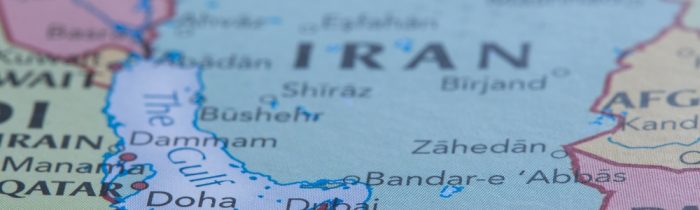
The 2026 conflict involving Iran, the United States, and Israel has triggered significant disruptions to global commerce. At the center of this upheaval is the Strait of Hormuz which effectively closed as hostilities escalated. This single geographic bottleneck, normally responsible for about one‑fifth of the world’s crude oil and liquefied natural gas (LNG) flows, has sent shockwaves through energy markets, shipping routes, insurance markets, and global supply chains.
As a result of the conflict escalated, maritime transits dropped by roughly 70% within days, with more than 150 ships anchoring outside the strait to avoid missile, drone, or naval threats.
Major container carriers—Maersk, MSC, Hapag-Lloyd, and CMA CGM—suspended operations, rerouting ships around Africa’s Cape of Good Hope, which adds 10 to 14 days to typical transit times.
Global Energy Market Impact
Because the Strait handles about 20 million barrels per day of crude oil and petroleum products—approximately 20% of global consumption—its closure rapidly destabilized energy markets.
Key impacts include:
—Crude oil price spikes
—LNG supply disruptions
—Refined products shortages
Industries dependent on oil, gas, plastics, and fertilizers could face supply constraints and surging costs if the conflict continues.
The paralysis of Hormuz has also triggered a cascade of secondary disruptions across global maritime logistics.
—Rerouting Vessels Around Africa
—Insurance Market Shock
—Port Disruptions Across the Region
These delays will likely ripple into Asian, European, and African supply chains as vessel schedules lose predictability.
Supply Chain Disruptions Beyond Energy
—Agriculture & Fertilizers: The strait normally carries about one‑third of the world’s urea fertilizer shipments. Its disruption threatens agricultural supply chains in Asia, Africa, and South America.
—Industrial Inputs: Aluminum, petrochemicals, and plastics sourced from Gulf exporters could face delays or rerouting, pressuring manufacturers worldwide.
—Food and Domestic Market Stability: Countries heavily dependent on Gulf shipping have begun imposing export controls. Kuwait, for example, temporarily suspended food product exports due to supply chain uncertainty.
This situation underscores a stark reality: Global trade remains highly exposed to a handful of geopolitical chokepoints. The Hormuz shutdown demonstrates how quickly a regional conflict can disrupt supply chains and result in world-wide economic impacts.

