


Bridging the Silos between Manufacturing and Logistics with Automated Loading and Unloading
Guest blog by Wouter Satijn, Chief Revenue Officer, Joloda Hydraroll (MHI member)
Generative AI is moving supply chains beyond traditional automation toward intelligent, adaptive, and value-driven operations. Yet gaps in data and visibility can limit the true potential of AI to deliver predictive insights and operational optimization. Right now, Gen AI can optimize manufacturing processes. It can transform logistics, with real-time views of global transportation routes. Full end to end transformation cannot be achieved, however, unless organizations bridge these silos and embrace automated loading and unloading.
Spotlight on Loading
Over the past two decades, both manufacturing and logistics processes have been transformed through automation, with zero touch operations representing the pinnacle of efficiency, accuracy and agility. Organizations are working towards quicker innovation, adding new lines and short run promotions to exploit timely opportunities, from sporting events to peak season activity. Additional flexibility and improved control allow companies to respond to ever changing regulatory demands for sustainable packaging and waste reduction, including the introduction of deposit return schemes.
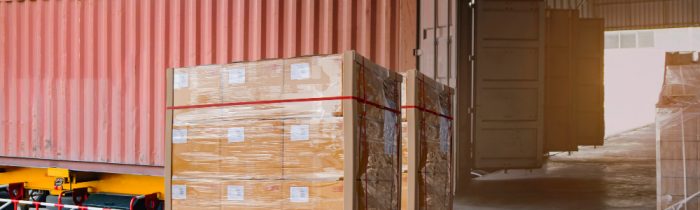
And yet, the point at which these super-efficient manufacturing and logistics processes meet remains not only a bottleneck but also an invisible bottleneck that is adding risk and cost. At the loading bay, the continued reliance upon highly manual loading and unloading processes is an extraordinary anachronism in a world of zero touch, increasingly AI driven operations.
Essential Automation
Replacing manual loading and unloading processes with automation is a priority. It enables organizations to reduce unload and load times from 45 minutes to less than five. It removes the need for expensive and hard to recruit skilled forklift drivers and significantly reduces the risk of accidents.
Critically, it provides organisations with a chance to join up the manufacturing and logistics silos to create end to end operational visibility. Automated trailer and container loading systems enable the real-time data capture within loading bays that has become the foundation for digital transformation in every other aspect of production and distribution operations. Using IoT and RFID to track the progress of pallets from the end of manufacture through to warehouse and distribution enables companies to better understand processes and drive new efficiencies.
Intelligent Operations
End to end data visibility combined with tools such as Generative AI provide the chance to explore new ways of working. Intelligent load allocation can improve fill rate to minimize the number of trailers required daily, cutting costs and emissions. The ability to respond in real-time to information about each SKU, by weight, volume, even different packaging materials, enables automatic allocation of products to specific pallets and doors to optimize the entire pack, stack, convey and load process.
Adding cameras to loading docks also provides information about pallet shape and damage which, combined with AI, can be used to automatically send pallets to the correct location. Ensuring damaged goods are flagged for further assessment rather than being delivered, not only improves customer satisfaction but also removes the additional costs associated with managing product returns.
Furthermore, at a time of intense pressure on warehouse space, the combination of additional efficiency and real-time data capture allows companies to become far more intelligent about the use and reuse of existing space. Improved space utilisation allows companies to grow within the existing facilities while also supporting the additional flexibility required for short run promotions and changing packaging requirements.
Conclusion
Siloed operations are outdated, inefficient and an increasing liability in a world of increasingly connected and AI-enabled operations. Joining up effective manufacturing and distribution operations through automated loading and unloading unlocks opportunities to transform end to end operations. Add in the use of Gen AI with predictive insights and operational optimization and organizations have the chance to reduce costs, improve efficiency and, critically, respond rapidly to disruption.

